At some point over the last few years, protein stopped being something associated mainly with athletes and gym-goers. Today, it is everywhere. You can find it in bread, yogurt, coffee, pasta, chips and snack bars lining supermarket shelves. Fitness influencers track their daily intake, food manufacturers proudly display protein content on packaging, and a question once reserved for bodybuilders - Am I getting enough protein? - is now being asked by people of all ages and activity levels.
Something has clearly changed. The real question is whether the growing focus on protein is justified, or if it is simply the latest nutrition trend dominating headlines and social media feeds.
How Protein Became the Nutrient of the Moment
Several factors contributed to protein's growing popularity over the last decade.
- Satiety research showed that protein keeps you fuller for longer than carbohydrates or fat, making it appealing for weight management.
- Muscle health awareness expanded well beyond sport. Researchers and health professionals have increasingly highlighted the importance of maintaining muscle mass throughout life, not only for physical performance, but for mobility, independence and healthy aging.
- Weight loss culture evolved. High-protein diets became popular not just for performance, but for managing body composition without feeling constantly hungry.
- Recovery became mainstream. Protein's role in muscle repair after training made it relevant to anyone who exercises, not just competitive athletes.
- Healthy aging conversations brought protein into a new spotlight - research linking adequate protein intake to preserving muscle and function as we get older.
- Social media made all of this visible and aspirational. Protein content performs well because it connects to goals most people relate to: looking better, feeling stronger, living longer.
According to consumer nutrition research, high-protein products are among the fastest-growing categories in the functional food market globally - a trend that reflects a genuine shift in how people think about what they eat, not just a passing fad.
The result is an entire food industry built around protein, and a lot of people wondering whether they are getting enough.
.jpg)
What Protein Actually Does in Your Body
Before deciding how much you need, it helps to understand what protein is actually doing.
Protein is not just for muscles. It is involved in almost every process that keeps you functioning:
- Muscle repair and growth - when you exercise, protein rebuilds the tissue that breaks down
- Enzymes - the biological tools that drive digestion, energy production, and metabolism
- Hormones - including insulin and growth hormone, both of which affect body composition
- Immune function - antibodies are proteins; without enough of them, your immune response weakens
- Skin, hair, and nails - structural proteins like collagen and keratin depend on adequate intake
- Tissue repair - everything from healing a cut to recovering from illness involves protein
- Overall body maintenance - cells throughout your body are constantly being broken down and rebuilt
.jpg)
How Much Protein Do You Actually Need?
This is where it gets more nuanced, because protein needs vary significantly depending on who you are and how you live.
Sedentary adults: The standard recommendation sits around 0.8 g of protein per kilogram of body weight. For a 70 kg person, that is roughly 56 g per day - achievable without much effort if meals include eggs, dairy, meat, or legumes.
Active people: If you move regularly - walking, cycling, swimming, group classes - your needs increase to around 1.2-1.6 g per kg. Your body is doing more repair work, and protein supports that process.
People trying to lose weight: During a calorie deficit, protein becomes especially valuable. It helps preserve muscle mass while fat is being lost, and it keeps hunger more manageable day to day. Most nutrition professionals recommend staying toward the higher end of protein intake during weight loss phases specifically for this reason.
Older adults After around 40, the body gradually becomes less efficient at using protein to maintain muscle.
.jpg)
Can You Eat Too Much Protein?
For most healthy adults, a higher protein intake is not harmful and can be part of a balanced diet. The concern around protein and kidney damage largely applies to people who already have kidney disease or compromised kidney function - not to healthy individuals eating a protein-rich diet.
That said, more protein should not mean less of everything else. A balanced diet still needs:
- Vegetables and fiber for digestion, gut health, and micronutrient coverage
- Healthy fats for hormones, brain function, and fat-soluble vitamins
- Complex carbohydrates for sustained energy, especially if you are active
- Adequate hydration - protein metabolism produces more waste products that the kidneys need to filter out
If you have any existing kidney or metabolic conditions, it is always worth speaking with a healthcare professional before significantly increasing your protein intake.
Best Food Sources of Protein
Whole foods should always be the foundation. Here are reliable protein-rich options across different dietary preferences:
- Eggs - versatile, nutrient-dense, and one of the most complete sources
- Chicken and turkey - lean, widely available, and easy to prepare in volume
- Fish and seafood - particularly fatty fish like salmon and mackerel, which also provide omega-3s
- Lean red meat - beef and lamb in moderate amounts
- Greek yogurt and cottage cheese - convenient dairy options with a good protein-to-calorie ratio
- Legumes - lentils, chickpeas, black beans; high in fiber as well
- Tofu and tempeh - solid plant-based options with complete or near-complete amino acid profiles
- Protein powders - useful as a complement, not a replacement
The variety matters as much as the quantity. Different protein sources bring different amino acid profiles, vitamins, and minerals.
.jpg)
Where Protein Supplements Fit In
Protein powders and supplements are not magic. They do not transform your body on their own, and they do not replace a balanced diet.
But they can be genuinely useful in specific situations:
- When you struggle to hit your daily protein needs through food alone
- As a convenient post-workout option when you do not have time for a full meal
- During busy periods when your regular eating routine falls apart
- As a quick, protein-rich snack without a lot of added sugar or calories
- When you are in a calorie deficit and want to preserve muscle while eating less
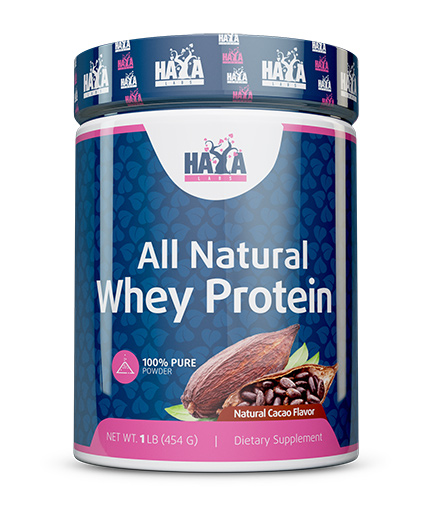
For people who want a convenient way to increase their protein intake, products such as Haya Labs 100% Whey Protein can be a practical addition to a balanced nutrition plan. Protein powders provide a quick and convenient source of high-quality protein, making them particularly useful after training sessions or during busy days when preparing a protein-rich meal is not always possible.
A Few Practical Tips
You do not need to overhaul your diet overnight. Small, consistent adjustments tend to work better than dramatic changes:
- Include a source of protein in every main meal - eggs at breakfast, fish or chicken at lunch, legumes or meat at dinner
- Pair protein with fiber-rich foods - this combination supports satiety and stable energy better than either alone
- Use protein powder as a convenience, not a crutch - one shake a day is a tool; replacing three meals is not a strategy
- Drink enough water - especially if you are increasing protein intake significantly
- Focus on consistency, not perfection - hitting your target six days out of seven matters far more than being perfect once a week
The Bigger Picture
Protein has earned its place in the conversation around health, fitness and healthy aging. It supports muscle maintenance, recovery, satiety and many of the everyday functions that keep the body working properly.
The good news is that most people do not need to obsess over every gram. In many cases, simple changes such as including a source of protein with each meal, choosing more protein-rich foods and maintaining a balanced diet can make a meaningful difference over time.
Rather than chasing trends, the goal should be to build eating habits that support your lifestyle, activity level and long-term wellbeing. Protein can certainly be part of that strategy, but it works best alongside regular movement, quality sleep and overall healthy nutrition.
Sincerely,
Haya Labs
.