
Most people would answer with coffee, a good night's sleep, or a healthy meal. While all of these can influence how energetic you feel, they don't explain what energy actually is.
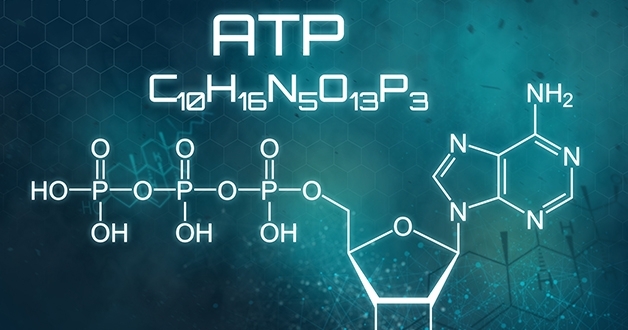
Behind every heartbeat, every breath, every thought, and every movement lies a remarkable biological process taking place inside trillions of cells. Long before you notice whether you feel alert or fatigued, your body is constantly producing and recycling the molecule that powers virtually every function necessary for life: adenosine triphosphate (ATP).
Unlike the fuel in a car, ATP isn't stored in large quantities waiting to be used. Instead, your body produces it, spends it, and rebuilds it continuously. Every second, countless ATP molecules are recycled to support everything from muscle contraction and brain function to tissue repair and immune activity.
Understanding how this system works changes the way we think about energy. Instead of asking which supplement or food "gives" us energy, a more meaningful question is: how does the body create it in the first place?
The answer begins inside one of the most fascinating structures in human biology-the mitochondria.
ATP: The Body's Energy Currency
Scientists often describe ATP as the energy currency of the cell, and the comparison is surprisingly accurate. Just as money allows an economy to function, ATP allows cells to perform work.
Every movement you make depends on it. Your muscles need ATP to contract, your nerves need it to transmit signals, your heart requires it to beat continuously, and even reading this article is powered by ATP as your brain processes information and your eyes move across the page.
What makes ATP unique is that it isn't stored for long. When a cell needs energy, ATP releases one of its phosphate groups, becoming ADP (adenosine diphosphate) and providing the energy required for biological work. Almost immediately, ADP is recycled back into ATP, allowing the cycle to begin again.
This process happens with extraordinary speed. Although the body contains only a relatively small amount of ATP at any given moment, it produces and recycles an amount roughly equal to your own body weight every day.
Rather than functioning like a fuel tank, ATP behaves more like a rechargeable battery-constantly being discharged and recharged to meet the body's changing energy demands.
Mitochondria: Where Food Becomes Energy
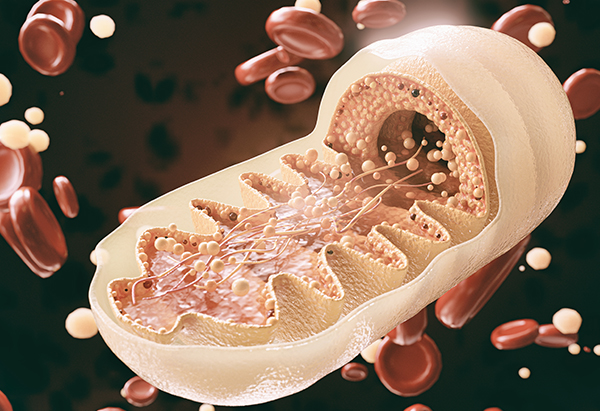
If ATP is the body's energy currency, mitochondria are the factories that produce it.
These tiny structures are found in almost every cell, but they are especially abundant in organs with high energy demands, including the heart, brain, liver, and skeletal muscles. The harder a tissue works, the more mitochondria it typically contains.
Their job is simple in principle but incredibly sophisticated in practice.
Every meal provides carbohydrates, fats, and proteins containing stored chemical energy. On their own, however, these nutrients cannot power your muscles or your brain. Before they become useful, they must be converted into ATP.
Think of food as the raw materials delivered to a factory.
The ingredients alone have little value until they enter the production line. Inside mitochondria, those raw materials are gradually transformed through a series of biochemical reactions that ultimately produce ATP - the final product every cell can use.
This distinction explains why eating more food doesn't automatically mean having more energy. Calories provide the potential, but healthy mitochondria are responsible for turning that potential into usable cellular fuel.
Interestingly, mitochondria are highly adaptable. Regular exercise encourages the body to build more of them while improving the efficiency of existing ones. This is one reason physically active people often develop greater endurance - not simply because their muscles become stronger, but because their cells become better at producing energy.
From Your Plate to ATP
Although carbohydrates, fats, and proteins can all contribute to ATP production, they don't follow exactly the same route.
Carbohydrates are generally the fastest source of usable energy. After digestion, they are broken down into glucose, which quickly enters the pathways responsible for ATP production. This makes carbohydrates particularly valuable during higher-intensity activities when the body needs energy rapidly.
Fat takes a slower but highly efficient approach. Before it can contribute to ATP production, it undergoes several additional metabolic steps inside the mitochondria. Although slower to process, fat stores significantly more energy than carbohydrates, making it the body's preferred fuel during rest and prolonged exercise.
Protein serves a different primary purpose. Rather than acting as a major energy source, amino acids are mainly used to build and repair tissues, produce enzymes and hormones, and support countless essential functions throughout the body. Only under certain circumstances - such as prolonged fasting or insufficient carbohydrate intake - does the body rely more heavily on protein for energy.
Regardless of the fuel source, the destination is always the same.
Inside the mitochondria, nutrients are gradually broken down, releasing electrons that pass through the electron transport chain. This creates the energy needed for an enzyme called ATP synthase, which produces the vast majority of the ATP your body uses every day.
It's an extraordinarily efficient system, but it doesn't work alone.
Like any advanced production line, ATP synthesis depends on several nutrients that keep each stage running smoothly. Some help transport electrons, others activate enzymes, while a few ensure ATP can be produced and recycled whenever energy demands suddenly increase.
Among the most important are Coenzyme Q10, the B vitamins, magnesium, and creatine - each supporting a different part of the same remarkable process.
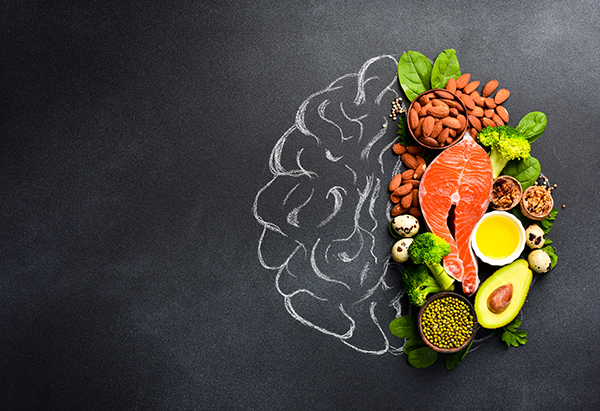
The Nutrients That Keep Energy Flowing
Producing ATP is one of the most complex processes in the human body. While mitochondria do the heavy lifting, they cannot work alone.
Rather than acting as "energy boosters," these nutrients help the body's own energy-producing machinery operate efficiently.
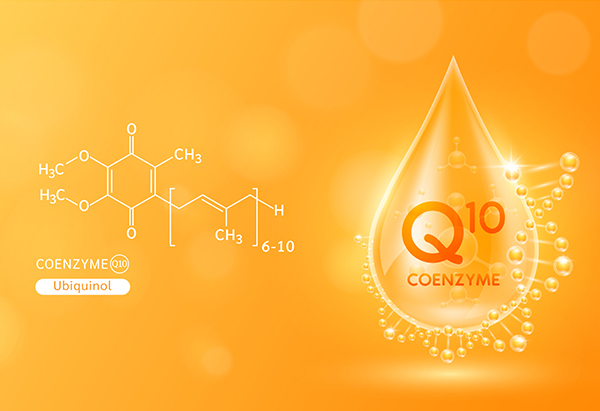
One of the most important is Coenzyme Q10 (CoQ10).
Inside the mitochondria, CoQ10 acts as an electron carrier, moving electrons through the electron transport chain where most ATP is produced. You can think of it as a courier delivering essential components along an assembly line. If that flow slows down, ATP production becomes less efficient.
Because of its central role, CoQ10 is found in particularly high concentrations in organs that require a constant supply of energy, such as the heart, brain, liver, and skeletal muscles. It also contributes to the body's natural antioxidant defenses by helping protect cells from oxidative stress generated during normal energy production.
Although the body can produce CoQ10 on its own, natural levels tend to decline with age, and certain medications may also affect its production. Foods such as oily fish, organ meats, and nuts contain small amounts, while supplements like Haya Labs Coenzyme Q10 can help complement dietary intake as part of a balanced lifestyle.
Another group of nutrients working quietly behind the scenes is the B vitamins.
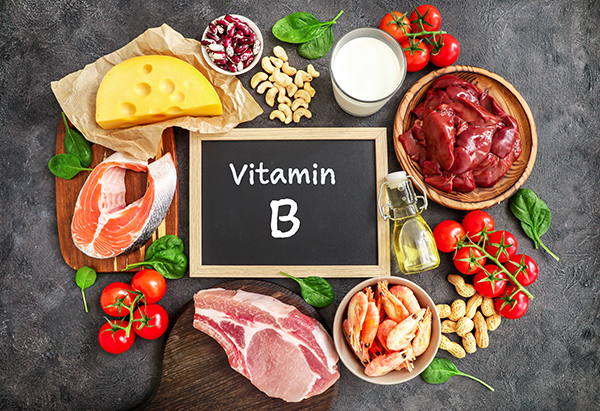
Unlike carbohydrates or fats, B vitamins don't provide calories and cannot produce energy by themselves. Instead, they function as coenzymes, enabling the countless chemical reactions that convert food into ATP.
Each B vitamin has a specific role. Some help metabolize carbohydrates, others assist in fat and protein metabolism, while vitamin B12 and folate support DNA synthesis and healthy red blood cell formation. Together, they ensure that the body's metabolic pathways continue running efficiently.
This is why B vitamins are often associated with energy. They don't create it—but without them, the body cannot efficiently unlock the energy already stored in food.
Magnesium plays a different, but equally important role.
Most people know magnesium for supporting muscles or sleep, yet its connection to ATP is often overlooked. Inside cells, ATP is normally bound to magnesium, forming the biologically active complex recognized by hundreds of enzymes. In simple terms, magnesium allows ATP to do its job.
This doesn't make magnesium a stimulant. Instead, it supports the countless reactions taking place every second throughout the body, from muscle contraction and nerve signaling to normal protein synthesis. When dietary intake is insufficient, highly bioavailable forms such as Haya Labs Magnesium Bisglycinate can help support normal physiological function.
While these nutrients help produce and activate ATP, the body also needs a way to respond when energy demand suddenly increases.
That's where creatine comes in.
During explosive movements like sprinting, jumping, or lifting heavy weights, muscles consume ATP faster than mitochondria can replace it. To prevent an immediate energy shortage, the body relies on phosphocreatine, a compound stored inside muscle cells that rapidly regenerates ATP within seconds.
Think of mitochondria as the main power station supplying electricity to a city. Creatine functions like a backup generator, providing instant power whenever demand briefly exceeds production.
This is why creatine monohydrate has become one of the most extensively researched sports nutrition ingredients available today. Beyond supporting high-intensity exercise performance, researchers continue exploring its potential role in healthy aging and muscle preservation. For individuals looking to supplement, Haya Labs Creatine Monohydrate provides the same well-studied form used in the vast majority of clinical research.
The Bigger Picture
It's tempting to think that energy comes from a single nutrient or supplement, but biology doesn't work that way.
Healthy energy production depends on an entire system working together. Mitochondria convert nutrients into ATP. CoQ10 helps move electrons through the energy-producing machinery. B vitamins enable the enzymes driving metabolism. Magnesium activates ATP, while creatine rapidly restores it during periods of high demand.
Just as importantly, this system depends on lifestyle.
Regular exercise encourages the body to build more efficient mitochondria, improving its ability to generate ATP over time. A balanced diet supplies the nutrients needed to support metabolism, while adequate sleep and recovery allow cells to repair and maintain the machinery responsible for energy production.
No supplement can replace these foundations. Instead, supplements work best when they complement healthy habits rather than compensate for their absence.
Final Thoughts
Every second of every day, your body performs an extraordinary balancing act. It transforms the food you eat into ATP, delivers that energy wherever it's needed, and immediately begins producing more.
It's a process so efficient that most of us never notice it - until something interrupts it.
Understanding how ATP is produced offers a different perspective on energy. Rather than searching for a quick fix, it reminds us that lasting vitality begins at the cellular level, supported by good nutrition, regular physical activity, quality sleep, and the nutrients that help these systems perform at their best.
Whether your goal is improving everyday vitality, supporting athletic performance, or simply understanding how your body works, the message is the same:
Energy isn't something your body stores. It's something your cells create—every moment of every day.
Sincerely,
Haya Labs
.