

You're eating lighter, moving more and spending more time outside - so why do you somehow feel puffier by the end of the day?
The answer isn't always about how much you're eating. Heat, hydration, sodium, carbohydrates, travel and changes in digestion can all temporarily affect how your body looks and feels. Understanding the difference between these changes and actual fat gain can save you from making unnecessary changes to your diet.
Bloating vs. Water Retention: They're Not the Same Thing
These two get used interchangeably, but they're different experiences with different causes.
Bloating is usually digestive - gas, a feeling of pressure or fullness in the abdomen, constipation, or general changes in how your gut is processing food that week.
Water retention is different: a temporary shift in how much fluid your body is holding and where it sits, sometimes noticeable in the face, hands, ankles or legs.
The two can happen at the same time, which is part of why summer can feel like a perfect storm for puffiness. But neither is, by itself, evidence of fat gain. Both can temporarily change how your body looks, feels and even what the scale shows.
Why Summer Can Make You Feel Puffier
A few overlapping factors tend to show up together during the warmer months.
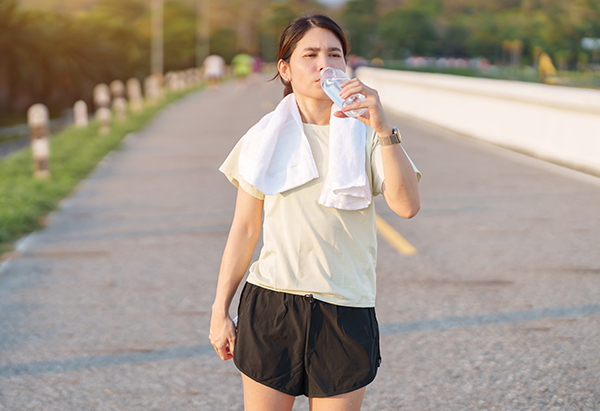
Heat and hydration. Hot weather increases sweating, which changes fluid intake and losses throughout the day. Counterintuitively, drinking too little isn't a useful strategy here - inadequate hydration can disrupt normal fluid balance and may also contribute to constipation, which can make the feeling of bloating worse.
Sodium. Sodium is essential, not something to fear. A sudden increase above your usual sodium intake can temporarily affect fluid balance, but sodium is only one of several factors involved. The fix isn't cutting salt out entirely, especially if you're active and sweating heavily; it's noticing when intake has spiked well above your normal pattern.
Carbohydrates and glycogen. Carbohydrates are stored in the muscles and liver as glycogen, which holds water alongside it - roughly three to four grams of water for every gram stored. A higher-carb day or a few indulgent vacation meals can add real weight to the scale without representing anywhere close to that much actual fat. This is a mechanical, well-documented effect, not a reason to avoid carbs.
Alcohol and carbonated drinks. Alcohol can affect hydration, sleep and digestion, and it's frequently paired with salty food, which compounds things further. Carbonated drinks can contribute to gas and fullness in some people, but that's a different mechanism from water retention - it's air in the digestive tract, not fluid. Neither is an automatic bloating trigger for everyone.
Why Travel Can Make Everything Worse
Vacations tend to stack several of these factors at once: long stretches of sitting, irregular meal times, unfamiliar foods, a drop in fiber intake, less water than usual, more restaurant meals, alcohol, and disrupted sleep. Constipation often follows.
Even someone eating fewer total calories on a trip can end up feeling more bloated simply because so many normal routines have shifted at once. The most useful response isn't a "detox" - it's a return to the basics: regular movement, consistent hydration, adequate fiber and your usual eating routine.
.jpg)
Why You Can Look Different by the End of the Day
Waking up leaner and feeling noticeably more bloated by evening is one of the most common and most misread experiences people have.
A noticeable change in how your body looks over the course of a single day is far more likely to reflect food, fluid and digestive changes than a meaningful increase in body fat. What changes throughout the day is largely the amount of food, fluid and gas in your digestive system, alongside normal shifts in fluid balance.
Eating Less Doesn't Always Mean Less Bloating
Portion size is only one variable. Bloating can also come from constipation, a sudden jump in fiber intake, large amounts of raw vegetables, legumes, sugar alcohols, stacking several protein bars in a day, or eating on an unfamiliar schedule. Individual tolerance varies enormously - a food that causes no issue for one person can cause real discomfort for another, and that's not a flaw to fix, just something to notice.
Hormonal shifts across the menstrual cycle can also influence fluid retention and bloating in women, and these changes may simply feel more noticeable during the warmer months.
.jpg)
Start With the Basics
If summer puffiness is tied to travel, heat or a disrupted routine, the solution is usually less dramatic than the problem feels. Start with the basics.
Hydrate consistently. Regular fluid intake throughout the day beats trying to fix things with one large glass of water.
Keep moving. Walking - especially after long sitting or during travel - supports circulation and digestion.
Return to your normal eating pattern. Skipping meals or drastically cutting calories after a big meal tends to backfire.
Keep fiber steady. Jumping from very low to very high fiber quickly is a common bloating trigger of its own.
Prioritize sleep. Late nights, travel and heat all disrupt sleep, which indirectly affects appetite, digestion and recovery.
Give it a few normal days. Most post-travel or post-indulgence puffiness resolves once your routine steadies out.
Can Supplements Help?
Supplements aren't a fix for bloating, and none should be marketed that way - but a few have a reasonable, evidence-based role in specific situations.
Electrolytes can be useful during prolonged exercise, heavy sweating or extended time in the heat, though they're not something everyone needs daily. Magnesium supports normal muscle and nerve function; different forms behave differently in the gut, and it shouldn't be sold as a universal anti-bloating fix. If magnesium is part of your routine, Haya Labs Magnesium Bisglycinate is one option that is generally well tolerated and suitable for everyday use.
Probiotics are strain-specific - evidence for one strain doesn't automatically apply to another, and "probiotic" on a label says little about what it will actually do for bloating. Fiber supplements, such as psyllium, can help when dietary fiber is genuinely low, but adding fiber too quickly can make bloating worse rather than better, so it's worth increasing gradually alongside enough fluid.
.jpg)
What Not to Do When You Feel Puffy
Feeling bloated isn't a reason to punish yourself with restriction. Common overreactions - cutting carbs entirely, eliminating all salt, drinking excessive water at once, skipping meals, reaching for diuretics or "detox" teas, doing extra cardio to compensate, or stacking several digestive supplements - tend to add stress to a system that mostly just needs time and consistency.
When Bloating Shouldn't Be Ignored
Occasional, mild bloating tied to travel, salt or carbohydrate shifts is normal. Persistent, severe or unexplained bloating is not something to keep blaming on summer. See a doctor if it's ongoing or comes with severe pain, vomiting, blood in the stool, unexplained weight loss, a significant lasting change in bowel habits, shortness of breath, or swelling that doesn't resolve.
.jpg)
FAQ
Why do I feel more bloated during summer? Heat, sweat losses, travel disruptions and shifts in sodium or carbohydrate intake often overlap, which is why bloating and water retention feel more noticeable.
Can dehydration make me feel puffy? It can contribute indirectly. Inadequate fluid intake may affect normal fluid balance and can also contribute to constipation, which may make bloating feel more noticeable.
Does eating salt automatically cause water retention? Not on its own. A sudden increase above your usual sodium intake can temporarily affect fluid balance, but sodium is only one of several factors involved.
Why am I heavier after vacation even if I didn't eat that much? Extra carbohydrate, sodium, travel-related constipation and disrupted sleep can all add scale weight through water and digestive contents, not fat.
Can probiotics help with bloating? Sometimes, but effects are strain-specific - a probiotic that helps one person may do nothing for another, and results vary by individual and by strain.
The Bottom Line
Your body can look and feel different from one summer day to the next without your body composition meaningfully changing.
Heat, travel, restaurant meals, hydration, carbohydrates, digestion and disrupted sleep can all leave their mark on the scale - and on how you feel in your clothes.
Instead of reacting to a puffy day by eating less, cutting carbohydrates or adding extra cardio, return to the basics: hydrate, move, eat normally, get enough fiber and give your body time to settle back into its usual rhythm.
Sometimes the best response to feeling bloated isn't doing more - it's simply giving your body a few normal days.
Sincerely,
Haya Labs
.