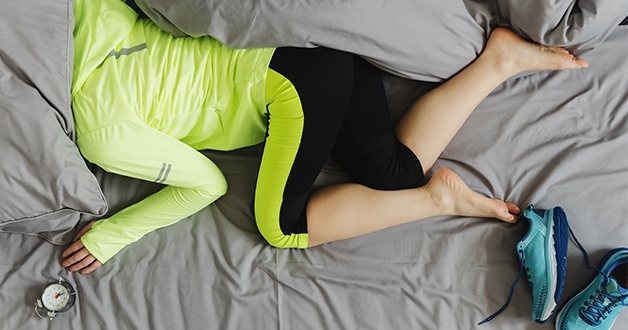
You train hard, eat right, and take your supplements - yet progress stalls. The culprit might not be in the gym or on your plate. It might be in your bedroom.
The Most Underrated Variable in Fitness
Ask most gym-goers what the pillars of muscle growth are, and you'll hear the same answers: training, protein, and consistency. Sleep rarely makes the list. Yet from a physiological standpoint, sleep is not a passive recovery tool - it is an active biological process without which muscle growth is simply impossible.
Chronic sleep deprivation is one of the most widespread and overlooked problems in modern fitness. Millions of people follow optimised training programmes, track their macros to the gram, and invest in quality supplements - then sleep five or six hours a night and wonder why their body isn't changing. The answer lies in what happens (and what fails to happen) during the hours you spend unconscious.
What Happens to Your Muscles While You Sleep
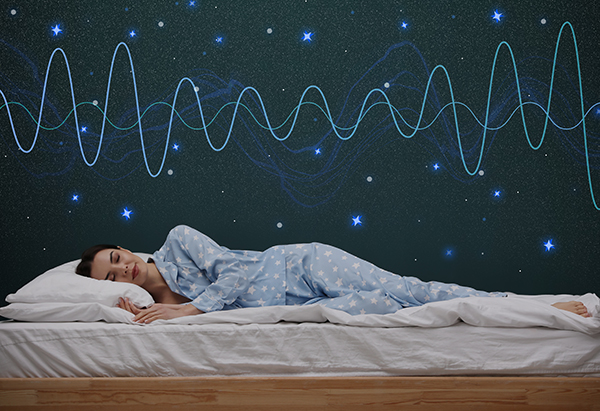
Muscle growth does not occur in the gym. It occurs during recovery - and the most critical window of recovery is sleep. During deep, slow-wave sleep (SWS), the pituitary gland releases the majority of the day's growth hormone (GH). This pulse of GH is responsible for stimulating protein synthesis, mobilising fat for fuel, and repairing the micro-damage caused by resistance training.
Without sufficient deep sleep, this hormonal cascade is blunted. You still experience the muscular stress of your workout - the microtears, the metabolic fatigue, the inflammation - but your body lacks the hormonal environment needed to rebuild stronger. It is the equivalent of breaking down a wall and leaving the bricks on the floor overnight without sending in the construction crew.
Beyond growth hormone, sleep is when the body prioritises cellular repair, clears metabolic waste products from muscle tissue, and restores glycogen - the primary fuel source for high-intensity exercise. Every hour of quality sleep you lose is an hour during which none of this is happening.
Performance Degradation
Muscle growth is not just about recovery - it is about the quality of the stimulus you apply in the first place. Sleep deprivation degrades both sides of the equation.
After even one night of poor sleep, reaction time slows, coordination suffers, and the ability to generate maximal muscular force declines. Studies have consistently shown that sleep-deprived athletes lift less weight, complete fewer reps, and fatigue faster. The stimulus you provide your muscles in the gym - the very trigger for adaptation - is weaker when you are running on inadequate rest.
This creates a compounding problem. A fatigued body produces a weaker training stimulus. A weaker stimulus generates less of a growth signal. And whatever signal is generated is then poorly capitalised on during a night of insufficient recovery. The result is a self-reinforcing cycle of diminishing returns.
There is also a pain perception component. Sleep deprivation lowers your pain threshold, meaning the same level of exertion feels harder than it would if you were well rested. Athletes who are chronically under-slept often feel like they are working at maximum effort when objective measurements show they are operating well below their actual capacity. Over time, this perception gap can lead to undertraining, stalled progress, and burnout.
Body Composition: The Bigger Picture
The effects of sleep deprivation extend beyond muscle - they profoundly impact overall body composition in ways that work directly against a fitness-oriented lifestyle.
Research demonstrates that when calorie-restricted individuals slept 5.5 hours versus 8.5 hours, those sleeping less lost significantly more lean mass and significantly less fat. The same caloric deficit, the same food intake - but the sleep-deprived group was cannibalising muscle while preserving fat stores.
Additionally, ghrelin - the hunger hormone - increases with sleep deprivation, while leptin, the satiety hormone, decreases. The result is heightened appetite, stronger cravings (particularly for calorie-dense, high-carbohydrate foods), and reduced willpower around food choices. Staying in a controlled caloric environment becomes exponentially harder when your hormonal signalling is pushing you toward overconsumption.
Sleep deprivation does not just hinder the building of muscle. It simultaneously promotes fat storage, increases hunger, impairs nutrient partitioning, and degrades every metric by which physical progress is measured.
How Much Sleep Do You Actually Need?
The fitness community has been slow to take sleep recommendations seriously, perhaps because "sleep more" feels less actionable than "eat more protein" or "add a fourth training session." But the data on this question is remarkably consistent.
For recreational athletes and regular gym-goers, seven to nine hours of sleep per night is the range in which recovery processes are fully optimised. Elite athletes - those training at high volumes and intensities - frequently report needing nine to ten hours, and many professional sports organisations have begun investing heavily in sleep infrastructure precisely because the performance returns are so significant.
It is worth distinguishing between sleep duration and sleep quality. Six hours of deep, uninterrupted sleep may be more restorative than eight hours of fragmented, shallow sleep. Both duration and quality matter.
Key markers of adequate, quality sleep include falling asleep within 20–30 minutes of lying down, sleeping through the night without prolonged waking, waking without an alarm feeling refreshed, and maintaining consistent energy levels throughout the day. If any of these are consistently absent, your recovery - and therefore your muscle growth - is likely being compromised.

Practical Steps to Protect Your Sleep and Your Gains
Knowing that sleep is critical is not enough. Here are strategies to maximise sleep quality:
Establish a consistent schedule. Going to bed and waking up at the same time every day - including weekends - stabilises your circadian rhythm and dramatically improves sleep quality. Your body's hormonal pulses, including the GH release associated with deep sleep, are partly regulated by circadian timing.
Optimise your sleep environment. The ideal sleep environment is cool (around 18–19°C), dark, and quiet. Even low levels of light exposure during sleep can disrupt melatonin production and reduce time spent in deep sleep stages.
Limit blue light exposure in the evening. Screens emit blue-wavelength light that suppresses melatonin, the hormone that signals to your body that it is time to sleep. Avoiding screens for at least 60–90 minutes before bed - or using blue light blocking glasses - can meaningfully improve sleep onset.
Time your training wisely. High-intensity exercise raises core body temperature and stimulates the sympathetic nervous system, both of which can delay sleep onset if training occurs too close to bedtime. For most people, finishing intense training at least two to three hours before sleep is advisable.
Manage pre-sleep nutrition carefully. Large meals immediately before bed can impair sleep quality. However, a small, protein-rich snack - such as cottage cheese or a casein-containing supplement - may support overnight muscle protein synthesis without disrupting sleep. Caffeine, even consumed six hours before bed, has been shown in research to measurably reduce sleep quality.
Consider evidence-based sleep supplements. Certain supplements have a reasonable body of evidence supporting their role in improving sleep quality. Magnesium glycinate supports muscle relaxation and nervous system calm. Ashwagandha (particularly high-quality extracts like KSM-66) has been shown to reduce cortisol and improve sleep quality scores. Zinc supports testosterone production and is frequently depleted in athletes who sweat heavily.
The Bottom Line
Sleep is not a lifestyle luxury. It is the single most powerful recovery tool available to anyone who trains - and it costs nothing. The research is unambiguous: chronic sleep deprivation suppresses anabolic hormones, elevates catabolic ones, degrades training performance, impairs nutrient utilisation, and shifts body composition in the wrong direction.
If you are currently sleeping less than seven hours per night and wondering why your physique is not responding the way it should, the most effective change you can make has nothing to do with your training programme or supplement stack. It is to close your laptop an hour earlier, darken your room, and let your body do the work it has been trying to do all along.
The gains you are looking for are not missing. They are waiting for you to go to sleep.
.